


Where multiple people who are affected by the same grievance wish to pursue a case together, courts have to decide whether the case can proceed as a class action. That decision is called class certification.
This guide explains what class action certification means, what legal requirements courts have to consider, and how the certification process works. You’ll also learn how Settlemate can help you identify class actions relevant to you and file settlement claims within minutes.
What is class certification?
Class certification is the process by which a court decides whether a lawsuit can move forward as a class action rather than individual claims.
If the court grants class certification, the lawsuit can proceed on behalf of all eligible class members who fit the class definition unless they choose to opt out and sue independently.
What is a “class” in a class action?
A class in a class action is the group of people harmed in a similar way by the same company, product, policy, or event.
Instead of requiring every affected person to file a separate lawsuit, the legal system allows a smaller group of plaintiffs, often called class representatives or lead plaintiffs, to pursue the case on behalf of everyone included in the class.
The exact definition of the class depends on the lawsuit, and may include:
- Consumers who paid hidden fees
- Customers affected by a health data breach or similar data leak
- Travelers denied refunds after canceled flights
- Employees impacted by the same wage violations
- People who purchased a defective product
- Consumers deceived by false advertising
Some classes involve a relatively small number of people, while others may include millions of consumers across multiple states or even nationwide.
Why does class action certification matter?
Without class certification, many people who were wronged may never pursue compensation individually, especially if their losses are relatively small.
For consumers, certification can make it easier to participate in legal action without hiring separate attorneys or filing individual lawsuits. It also helps:
- Create a more efficient process by resolving many similar claims in a single case
- Prevent inconsistent outcomes and conflicting rulings that can happen across individual lawsuits
- Compel companies to correct misconduct and negotiate settlements
For defendants, certification can significantly increase the scope and financial impact of the lawsuit. Once a class action is certified, the case may involve thousands or millions of potential claims, which can influence settlement negotiations and litigation strategy.
Without class certification, companies at fault could try to deny the individual claims and hope that consumers won’t file separate lawsuits. Certification ensures that the combined strength of all affected parties cannot be easily dismissed by the defendant.
Certification also determines how the following information is communicated to class members:
- Notice distribution
- Claim deadlines
- Opt-out opportunities
- Settlement information
What are class certification requirements?
Before a lawsuit can proceed as a class action, the court must decide whether it meets legal class action certification requirements that ensure the case is suitable for group treatment and the interests of all class members are properly represented.
In federal court, class certification is governed by Rule 23 of the Federal Rules of Civil Procedure. While the exact rules can vary somewhat depending on the type of case and the court involved, judges usually evaluate five main factors:
- Numerosity
- Commonality
- Typicality
- Adequate representation
- Predominance and superiority
The first four rules come from Rule 23(a) and apply broadly to most proposed class actions. The final requirement, predominance and superiority, typically applies to damages class actions under Rule 23(b)(3), which are among the most common types of consumer class actions.
1. Numerosity
Numerosity means the proposed class action must include enough people that handling each claim separately would be considered impractical.
There’s no exact minimum number required for certification, though generally 21 or more individuals is sufficient. Courts evaluate whether bringing individual lawsuits for every affected person would create an unnecessary burden and prove inefficient.
Judges may also consider factors beyond the number of class members, such as whether people are spread across different states or if individual claims are too small for separate lawsuits to be realistic.
2. Commonality
Commonality means that the lawsuit must involve shared legal or factual questions that affect the class as a whole. The core issue in the case must be common across the proposed class members. The courts decide whether resolving the shared concern could help resolve the claims for everyone involved.
3. Typicality
Typicality means that the claims of the lead plaintiffs must be similar to the claims of the rest of the class.
The people representing the class don't need to have identical experiences, but their claims should arise from the same general conduct or event affecting the broader group. This requirement ensures that the representatives are pursuing claims that align with the interests of the larger class instead of focusing on unique personal issues that apply only to them.
4. Adequate representation
Adequate representation means the lead plaintiffs and their attorneys must fairly represent the interests of the entire class. The court evaluates whether the representatives have conflicts of interest with other class members and whether they are capable of advocating for the group as a whole.
Judges also review the qualifications and experience of class counsel, especially in larger or more complex cases. The goal is to ensure the proposed class members have competent legal representation throughout the litigation and any settlement negotiations.
If the court believes the representatives or attorneys can’t adequately protect the interests of the class, certification may be denied.
5. Predominance and superiority
Predominance and superiority are additional requirements that often apply in damages-based class actions.
Predominance means that the common issues in the lawsuit must outweigh issues that only affect individual class members. The court considers whether the case can realistically be resolved through shared evidence and common legal questions rather than requiring separate trials for every person involved.
Example: If all consumers were affected by the same unlawful policy, common questions may predominate. But if each person’s claim depends heavily on unique facts and circumstances, certification may become difficult.
Superiority requires that a class action must be the fairest and most efficient way to resolve the dispute compared with other options, such as individual lawsuits.
How class action certification works
The exact timeline for class certification varies depending on the complexity of the case, but the process usually follows several key steps.
Here’s an overview:
Class certification can take months or even years, depending on the size and complexity of the lawsuit. In large consumer, antitrust, or data breach cases, courts often require extensive evidence and analysis before ruling.
What happens after a class is certified?
Once a court certifies a class action, the lawsuit officially proceeds on behalf of the approved group of class members. Several actions typically follow certification:
- Notice to class members: The court orders that all eligible class members receive the best practicable notice, explaining the nature of the lawsuits, qualifying individuals, claims at issue, and the binding effect of any judgment.
- Opt-out opportunity: In many damages class actions, class members have the right to opt out of the lawsuit if they don't want to participate or wish to file an individual lawsuit. The notice explains how to opt out and what the deadline is to do so.
- Settlement negotiations: Many class actions move into settlement discussions after certification increases the financial stakes of the lawsuit. This may encourage both sides to negotiate a resolution before trial. The court must approve any proposed settlement.
- Trial possibility: If the parties can’t reach an agreement, the case may proceed to trial, where the court or jury decides whether the defendant is legally responsible and what compensation or remedies may apply.
- Appeals: Defendants sometimes appeal certification decisions. Appeals can delay the lawsuit and result in the certification order being upheld, modified, or overturned, depending on the appellate court’s ruling.
How to know if you’re part of a certified class action
Because certified class actions can involve thousands or even millions of consumers, courts and settlement administrators typically use several methods to notify eligible class members. These methods include:
- Mail or email notices: If contact information is available, you may receive an email or snail mail notification.
- Company notifications: Businesses involved in the lawsuit may notify customers directly through account messages, billing notices, or customer portals.
- Court-approved websites: Certified class actions often have dedicated websites managed by settlement administrators. These sites typically include eligibility details, court documents, deadline information, and claim forms.
- News coverage and online announcements: News outlets and consumer protection websites often cover large consumer lawsuits, data breaches, defective product claims, and antitrust settlements.
- Court records and legal databases: Public court filings may contain information about newly certified class actions, though these resources can be difficult for the average consumer to track regularly.
- Class action tracking apps: Some people use apps and platforms that monitor class actions and settlement opportunities. Apps like Settlemate also automate the entire claims process, eliminating the need for time-consuming manual search and filing.
How Settlemate helps you track class actions and claim what you’re owed
Keeping track of class actions can be surprisingly difficult. Notices end up buried in your inbox, deadlines pass without warning, and many consumers never even realize they qualify for compensation until it’s too late.
Settlemate organizes class action information in one place, keeping you in the loop about cases that may affect you. Here’s how:
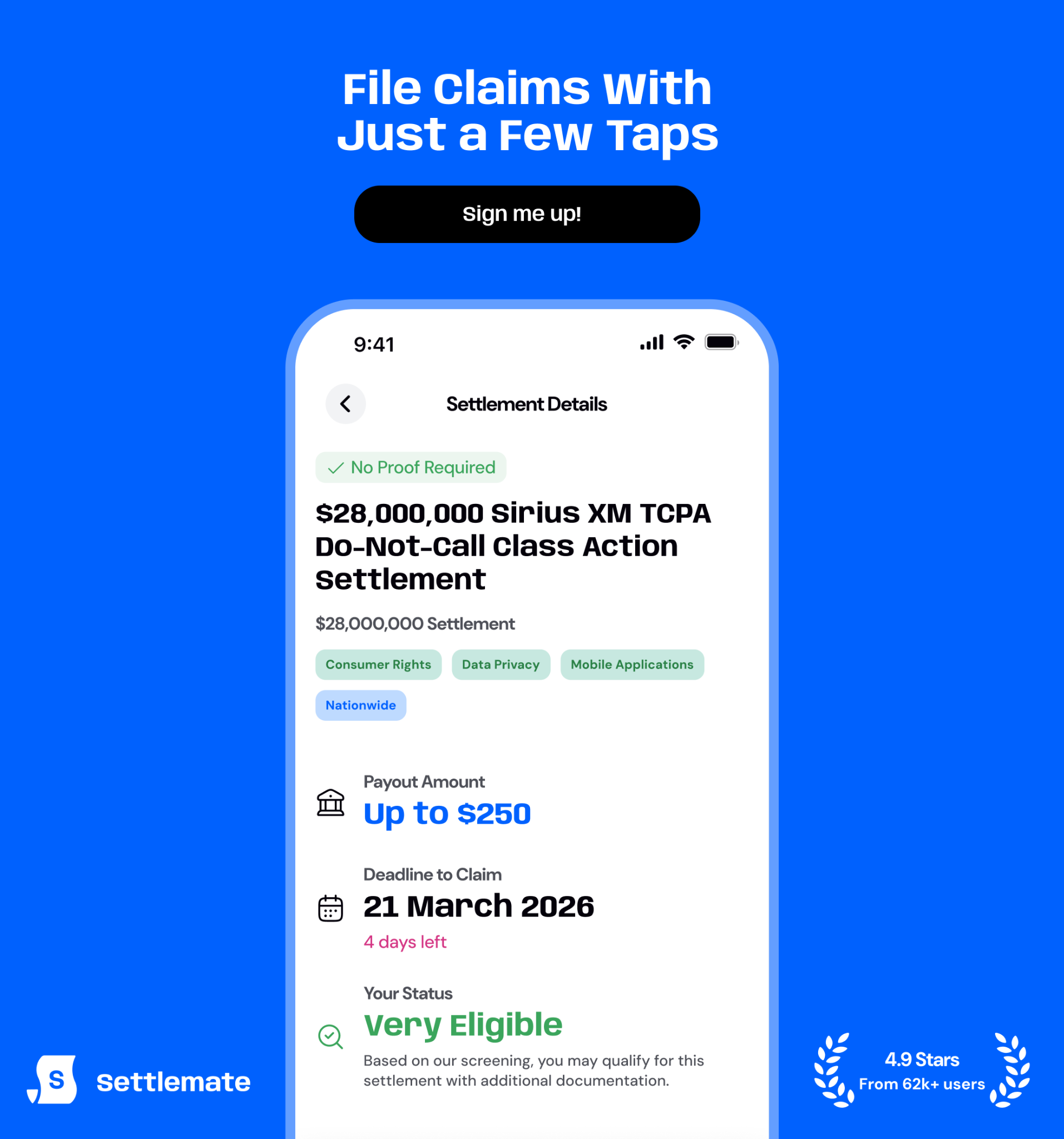
Download Settlemate from the App Store or Google Play to get started today.
Settlemate stands behind the value of your membership with a simple promise: if the verified value you receive in your first year doesn’t cover your subscription costs, we’ll extend your membership so you have more time to recover that value. Learn more about our Value Guarantee.
FAQs
Does class certification guarantee compensation?
No. Class certification only means a lawsuit can proceed as a class action. Compensation depends on the negotiated settlement or a favorable verdict at trial.
What’s the downside of being a part of a class action lawsuit?
Class action payouts are often smaller than the amount an individual lawsuit may recover, especially in large cases with numerous claimants. Another downside is that class members typically give up the right to file separate lawsuits unless they opt out of the lawsuit.
How long do class action lawsuits take?
Class actions can take several years to resolve. Complex cases involving appeals, certification disputes, or large settlements may take even longer before compensation distribution.